2026 Mitsubishi Outlander
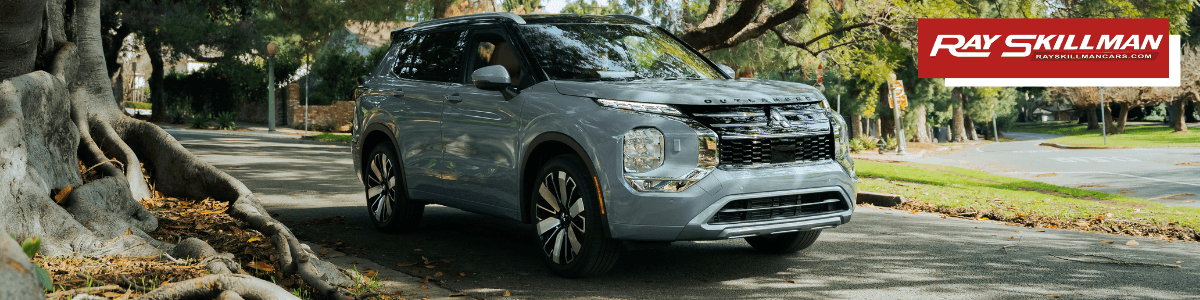
Three Rows for Families Who Refuse to Overpay
Three-row SUVs used to mean you were either buying a full-size truck-based behemoth or stretching your budget to the limit on a midsize crossover. The Mitsubishi Outlander never played by those rules. It sat quietly in the background, offering genuine seven-passenger space at a price that didn’t require a second mortgage, and families who actually drove one kept coming back.
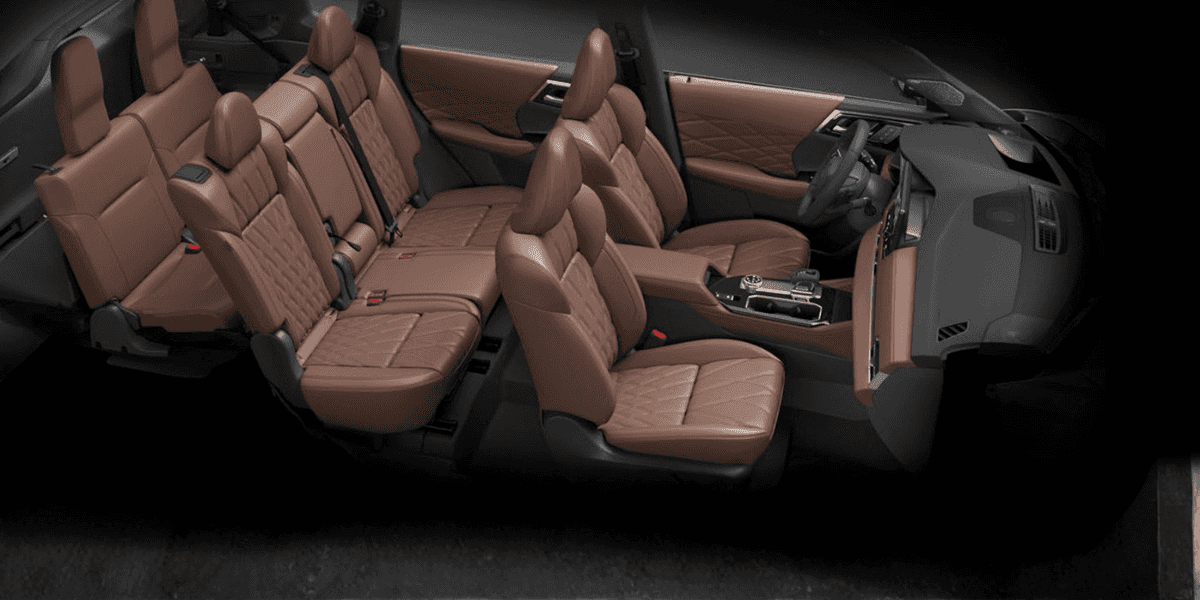
- The 2026 Outlander starts at $29,995 and seats seven passengers across three rows, making it one of the most accessible three-row crossovers on the market.
- Every trim includes forward collision mitigation, blind spot warning, rear automatic emergency braking, and Mitsubishi Connect as standard equipment.
- A new 1.5-liter turbocharged engine with a mild-hybrid system replaces the previous 2.5-liter four-cylinder, bringing improved off-the-line responsiveness to all trim levels.
What the 2026 Outlander Actually Gets Right
Start with the seat count. Seven passengers, three rows, under $30,000. You can stop there and already have a strong case for a lot of families. But the 2026 Mitsubishi Outlander earns its spot on shopping lists for reasons beyond the price sticker.
Mitsubishi swapped out the old 2.5-liter engine for a new 1.5-liter turbocharged four-cylinder paired with the brand’s first mild-hybrid system. The electric assist picks up torque off the line, which is exactly where families with a full load of people and gear notice it most. An 8-speed CVT handles the shifting, and EPA-rated fuel economy comes in at 26 city/31 highway/28 combined with front-wheel drive, or 26 city/30 highway/27 combined with Super All-Wheel Control (S-AWC).
Five drive modes, including Snow, Gravel, and Tarmac, give you real-world traction adjustments that matter if you live somewhere with actual weather. That AWC system earns its keep on roads that don’t cooperate.
Safety That Starts on the Base Trim
Too many vehicles bury their safety tech in upper trims to pad the price. Mitsubishi takes a different approach. Forward Collision Mitigation with Pedestrian Detection, Blind Spot Warning with Lane Change Assist, Rear Automatic Emergency Braking, Rear Cross Traffic Alert, and Rear Parking Sensors are all standard on the entry-level ES. So is Rear Seat Alert, which reminds you to check the back seats before you lock up. Eleven airbags cover the cabin throughout.
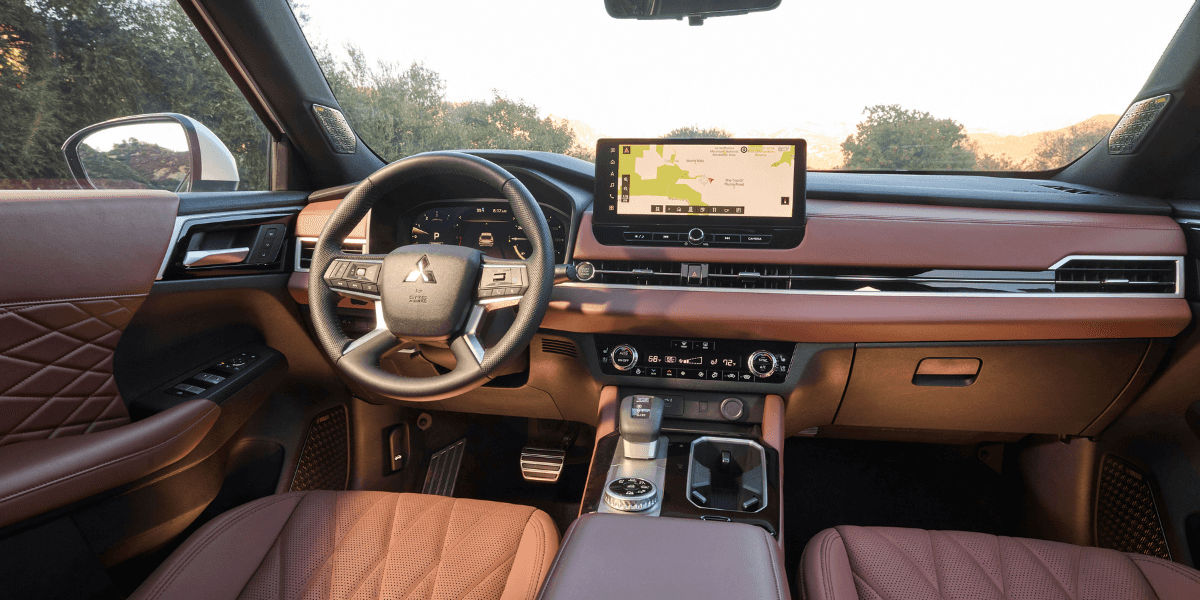
Wireless Apple CarPlay and Android Auto come standard too, along with a 12.3-inch infotainment screen, Yamaha eight-speaker audio, and Mitsubishi Connect with a five-year Safeguard trial. You’re not stripping the car down to get a reasonable price here.
Trim Lineup at a Glance
Seven trims make up the 2026 lineup: ES, LE, SE, SE Tech Package, SEL, Trail Edition, and SEL Premium Package. Here’s how the five core trims stack up on features most families actually care about.
| Feature | ES ($29,995) | LE ($32,345) | SE ($34,345) | SEL ($39,045) | SEL Premium ($42,095) |
|---|---|---|---|---|---|
| 7-Passenger Seating | Standard | Standard | Standard | Standard | Standard |
| Yamaha Audio | 8-Speaker | 8-Speaker | 8-Speaker | 8-Speaker | 12-Speaker |
| Heated Front Seats | Not Included | Standard | Standard | Standard | Standard |
| Wireless Phone Charging | Not Included | Standard | Standard | Standard | Standard |
| Power Liftgate | Not Included | Not Included | Standard | Standard | Standard |
| Panoramic Sunroof | Not Included | Not Included | Not Included | Standard | Standard |
| Leather-Appointed Seats | Not Included | Not Included | Not Included | Standard | Semi-Aniline |
| Heated Rear Seats | Not Included | Not Included | Not Included | Standard | Standard |
| Ventilated Front Seats | Not Included | Not Included | Not Included | Standard | Standard |
| Head-Up Display | Not Included | Not Included | Not Included | Not Included | Standard |
Where Each Trim Actually Lands
At $29,995, the ES holds its own. Nothing here feels stripped down for a price point. You’re getting wireless CarPlay, Yamaha audio, every major active safety system, and a proper infotainment screen. Families on a tight budget won’t feel like they settled. Step up to the LE and you add heated front seats, wireless charging, and synthetic leather suede seating for about $2,300 more. That’s a reasonable ask.
Most buyers will find their sweet spot at the SE. Power liftgate, 20-inch two-tone wheels, the Multi-View Camera System, and power folding mirrors make it feel noticeably more polished without jumping into luxury pricing. From there, the SEL builds out the cabin with a panoramic sunroof, ventilated front seats, heated rear seats, and leather throughout. If you’re loading up a family for regular road trips, the SEL is hard to argue against.
Picking the Trim That Fits Your Household
Honestly, the Outlander lineup rewards shoppers who know exactly what they need. Most families will land between the LE and the SE, a spread of about $2,000 that mostly comes down to whether you want that power liftgate and bigger wheels. Buyers who do a lot of winter driving or live somewhere with unpredictable weather should look seriously at the S-AWC upgrade, which adds traction control authority that FWD simply can’t match.
Up at $42,095, the SEL Premium adds a 10.8-inch head-up display, a digital rearview mirror, and semi-aniline leather seating. That’s a legitimate luxury package at a price most premium three-row shoppers will still find easy to stomach.
For families who need three rows without watching the price climb into full-size territory, the 2026 Mitsubishi Outlander keeps making the same practical argument it always has. This year, with a new turbocharged engine and mild-hybrid assist, that argument comes with a little more muscle behind it.
See the Outlander Lineup at Ray Skillman
We carry the 2026 Outlander lineup and can walk you through every trim in person so you can see exactly what you’re getting before you commit. Whether you want to test the third-row access, check out the Yamaha audio setup, or run through the S-AWC drive modes, our team is here to help you find the right configuration for your family. Stop by, take one out, and see what the fuss is about for yourself.
Frequently Asked Questions About the 2026 Mitsubishi Outlander
What changed with the 2026 Outlander engine?
Mitsubishi replaced the previous 2.5-liter four-cylinder with a new 1.5-liter turbocharged engine paired with a mild-hybrid system. The practical difference is noticeable right away: the electric assist adds torque where it matters most, which is from a stop with a full car. Highway fuel economy comes in at 31 mpg with front-wheel drive and 30 mpg with S-AWC, both solid figures for a three-row SUV.
Is AWD standard on all Outlander trims, or does it cost extra?
Super All-Wheel Control is available across the lineup but not standard on every trim. Front-wheel drive is the base configuration on most trims, with S-AWC offered as an upgrade. If you regularly deal with Indiana winters or uneven road conditions, it’s worth factoring the AWD cost into your trim decision early rather than finding out later that the configuration you want requires stepping up.
Does the base ES trim really come with all the safety tech, or is that a marketing claim?
It’s the real thing. Forward Collision Mitigation with Pedestrian Detection, Blind Spot Warning with Lane Change Assist, Rear Automatic Emergency Braking, Rear Cross Traffic Alert, Rear Parking Sensors, and Rear Seat Alert all come standard on the ES. Wireless Apple CarPlay, Android Auto, and the 12.3-inch touchscreen are in there too. The safety and tech story on the base trim is genuinely strong for this price point.
How usable is the third row for actual adults?
The third row is sized more realistically for kids or shorter adults on shorter trips. It works well for what most families need it to do: handle the occasional extra passenger without dedicating the whole vehicle to that one use case. For regular adult passengers on long hauls, the second row is the more comfortable call. Access in and out of the third row is straightforward, which matters more in daily practice than most buyers realize when they’re shopping.
Which trim offers the best value for a family that doesn’t need the top-end features?
The SE sits in a particularly good spot for most family buyers. At $34,345, it adds a power liftgate, 20-inch wheels, and the Multi-View Camera System over the LE, while staying well below the SEL’s price. Families who use the liftgate constantly and park in tighter spots will get their money’s worth out of that camera system quickly. If heated rear seats and a panoramic sunroof are priorities, the SEL is worth the jump. Otherwise, the SE covers the practical bases without a lot of waste.